The Clothes Were Never Meant for Them
Ralph Lauren has always sold more than clothes.
A cable-knit sweater came with a house in New England. A sailing jacket came with a yacht. A pair of boots came with a ranch somewhere out West. There were ski slopes and country clubs, old convertibles and horses, rooms paneled in dark wood.
You did not have to own any of it.
You only had to put on the clothes.
The remarkable thing is that Ralph Lauren didn't own much of it either.
He was born Ralph Lifshitz in the Bronx in 1939. When Polo arrived in 1967, he started building an America out of references: English tailoring, Ivy League campuses, Western ranches, old money, sport. He took a world he had admired from the outside and assembled it piece by piece until it looked inherited.
The fantasy was the point.
Then some kids in Brooklyn found it.
They weren't riding horses.
They weren't skiing in Aspen.
They weren't standing on the deck of a sailboat.
But they understood the fantasy perfectly.
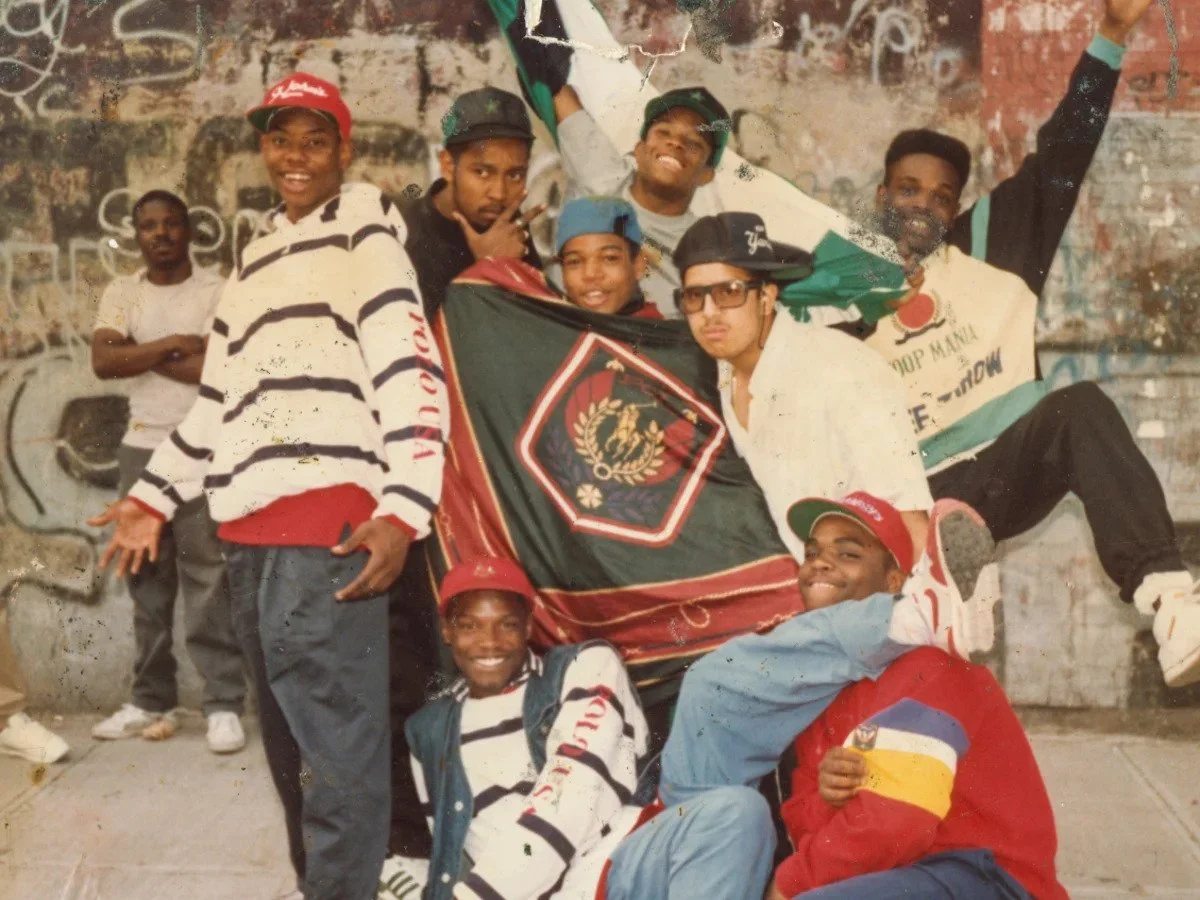
In the mid-1980s, two crews in Brooklyn developed the same obsession.
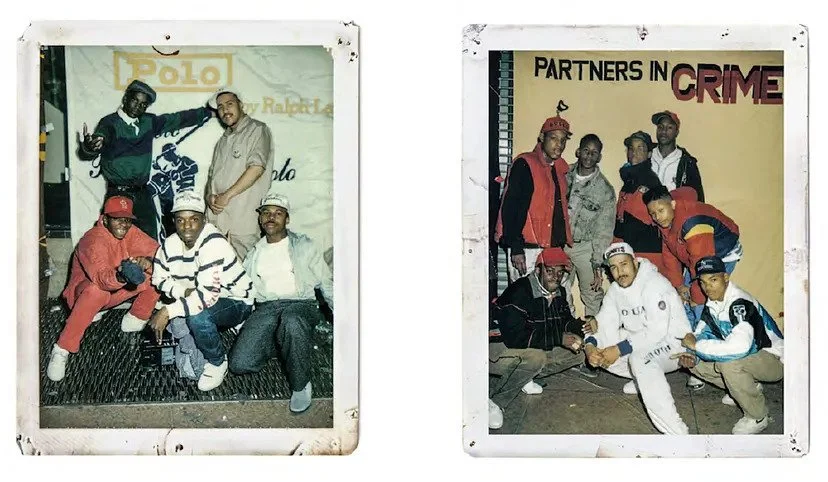
Ralphie's Kids came out of Crown Heights. Polo U.S.A., the United Shoplifters Association, came out of Brownsville. Both wore Polo head to toe, and both got most of it the same way.
The crews ran into each other in Times Square. Instead of fighting over the clothes, they recognized something in one another. In 1988 they became one crew, co-founded by Rack-Lo and Victor DeJesus, a Puerto Rican kid from Brownsville who would later rap under the name Thirstin Howl the 3rd.
They called themselves the Lo Lifes.
The name was a joke.
Polo was the good life.
They were Lo Lifes.
Polo's ads offered an imagined upper-class America. The Lo Lifes took its symbols — ski jackets, sailing gear, crests, flags, horses — and wore them in Brownsville and Crown Heights.
The clothes had not changed.
Everything around them had.
⸻
There is a part of this history that nostalgia makes easy to clean up.
A lot of the clothes were stolen.
Boosting wasn't incidental to the Lo Life story. At first, it was the story. Crews swarmed stores and learned to beat security. Some treated it like a sport. Rack-Lo has estimated that three out of four early Lo Lifes were stealing. The rest paid with money from regular jobs.
Somebody paid for those clothes. Just not the people wearing them.
It's easy to romanticize that now, because we know what came after. I'd rather leave it where it is for a minute. The photographs from that era are beautiful. They are also, in part, an inventory.
Luxury asks you to believe that belonging can be purchased.
The Lo Lifes skipped the transaction.
They took clothes that described a life they had no access to and wore them until they described something else.
Hip-hop understood.
By the early nineties, Polo had become part of a visual language that reached well beyond the original crews. Then Raekwon walked into Wu-Tang Clan's "Can It Be All So Simple" video in a Snow Beach pullover. Yellow across the chest. Navy. Red. SNOW BEACH across the front.
He'd bought it at Abraham & Strauss in Downtown Brooklyn. It was the last XXL in the store.
The collection had been built from a snowboarding fantasy. After that video, it belonged to another history too. It is hard to look at the jacket now without seeing Raekwon in it.
Ralph Lauren designed the garment.
Culture supplied its most enduring meaning.
⸻
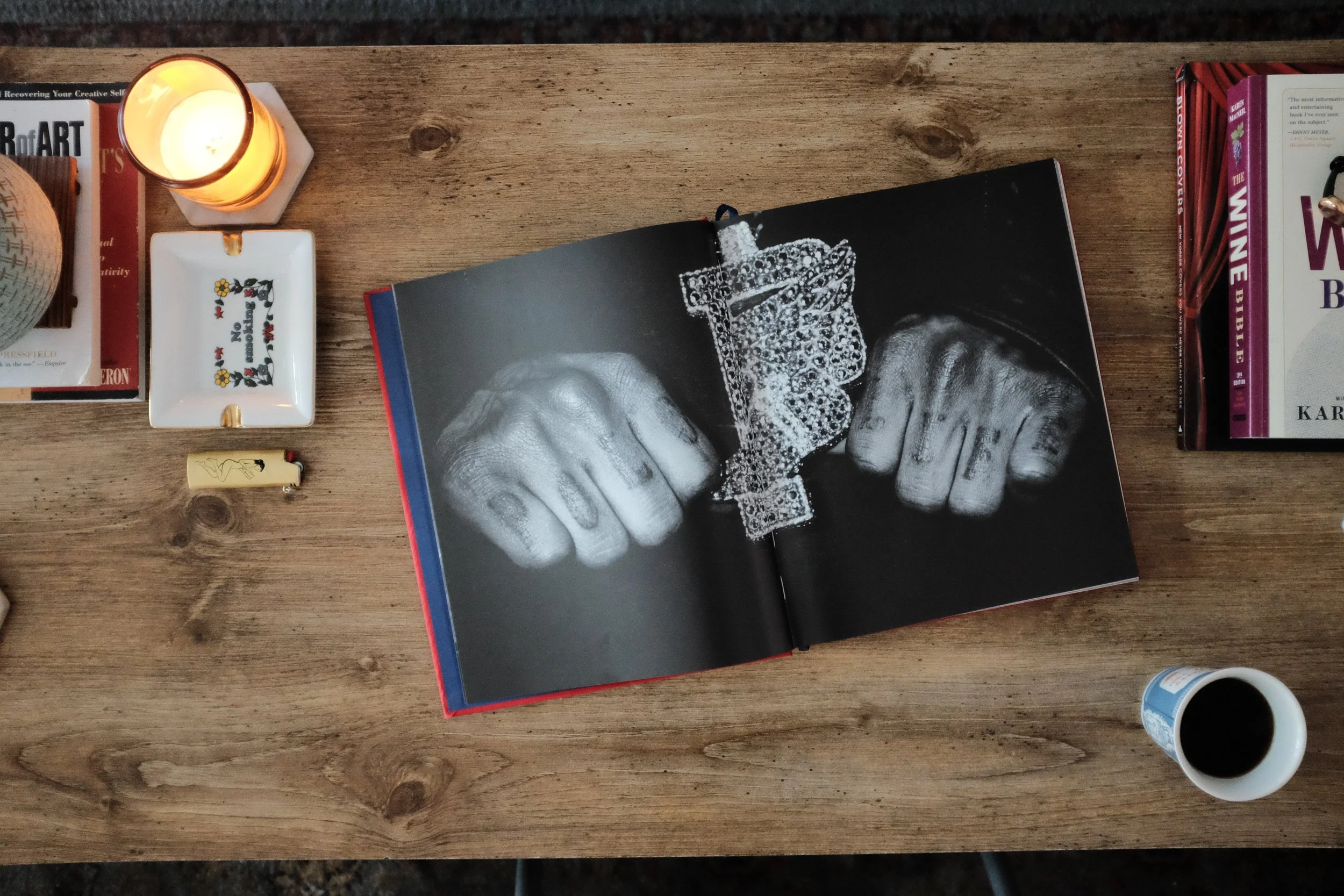
Thirstin Howl the 3rd eventually made a book with the photographer Tom Gould. Bury Me With the Lo On collects decades of archival photographs, interviews and portraits.
Young men standing together in enormous Polo collections. Bright color blocking. Ski graphics. American flags. Teddy bears.
What strikes me isn't how good everyone looks, though they do. It's how completely the clothes have changed environments.
A garment photographed on a ski slope tells one story.
Put it on a Brooklyn sidewalk and it tells another.
Neither story lives inside the garment.
Eventually even Ralph Lauren had to reckon with what the Lo Lifes had made. For the 2018 Snow Beach reissue, the company hired Tom Gould to shoot the campaign.
The man who documented the kids taking the clothes was hired to sell them.
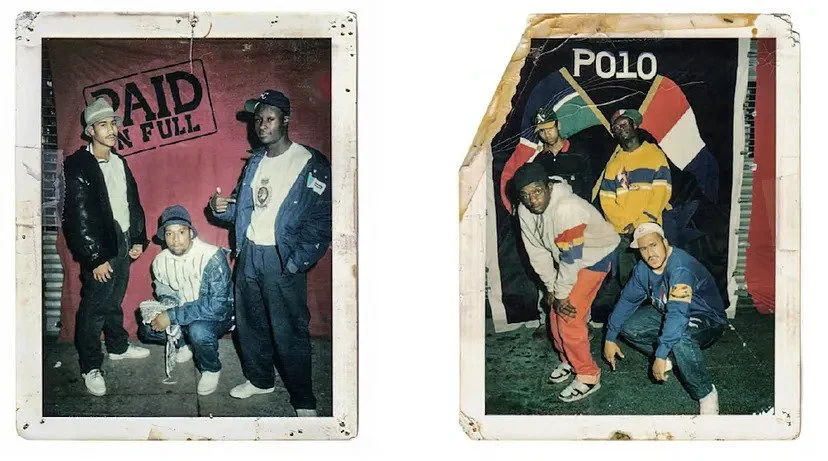
I didn't grow up in Brownsville in the eighties. I wasn't a Lo Life. By the time I found this history, hip-hop had spent decades translating Ralph Lauren for people like me.
So when I see a rugby shirt, a crest or a cable knit, I don't only see prep. I see the place where prep and hip-hop met.
I've always been drawn to combinations like that. Things that technically shouldn't belong together.
Prep and streetwear.
Wine and a municipal golf course.
A crest next to a rap song.
We call that taste.
But taste is often just history whose sources we've forgotten.
I'm not only reading this story. I'm running a version of it. I run a wine club that pours natural wine on a municipal course in Griffith Park. We make hats. We make clothes. I take the language of the country club — the club, the team, the tournament — and set it down somewhere it was never meant to go.
I borrowed that language from Ralph as much as anyone.
But Ralph sold a place that didn't exist.
Nobody lived in the ad.
The course is real. People show up every week. Some of them didn't know each other a year ago, and now they do.
What I don't know is whether the clothes can carry that once they leave the course. A hat in a photograph can't tell you whether anyone was there.
Ralph learned that the clothes would mean whatever the people wearing them decided.
So will ours.
⸻
The book's title comes from a line in one of Thirstin Howl's songs, "The Polo Rican."
It comes from a photograph too.
In the book, a Lo Life lies in his coffin wearing a Polo ski sweater.
It was made for a ski slope.
He was buried in it.
To be buried in something is to make a final claim about ownership. You can't take much with you.
So what deserves to come?
Not the house in New England. Not the yacht. Not the ranch.
The clothes.